
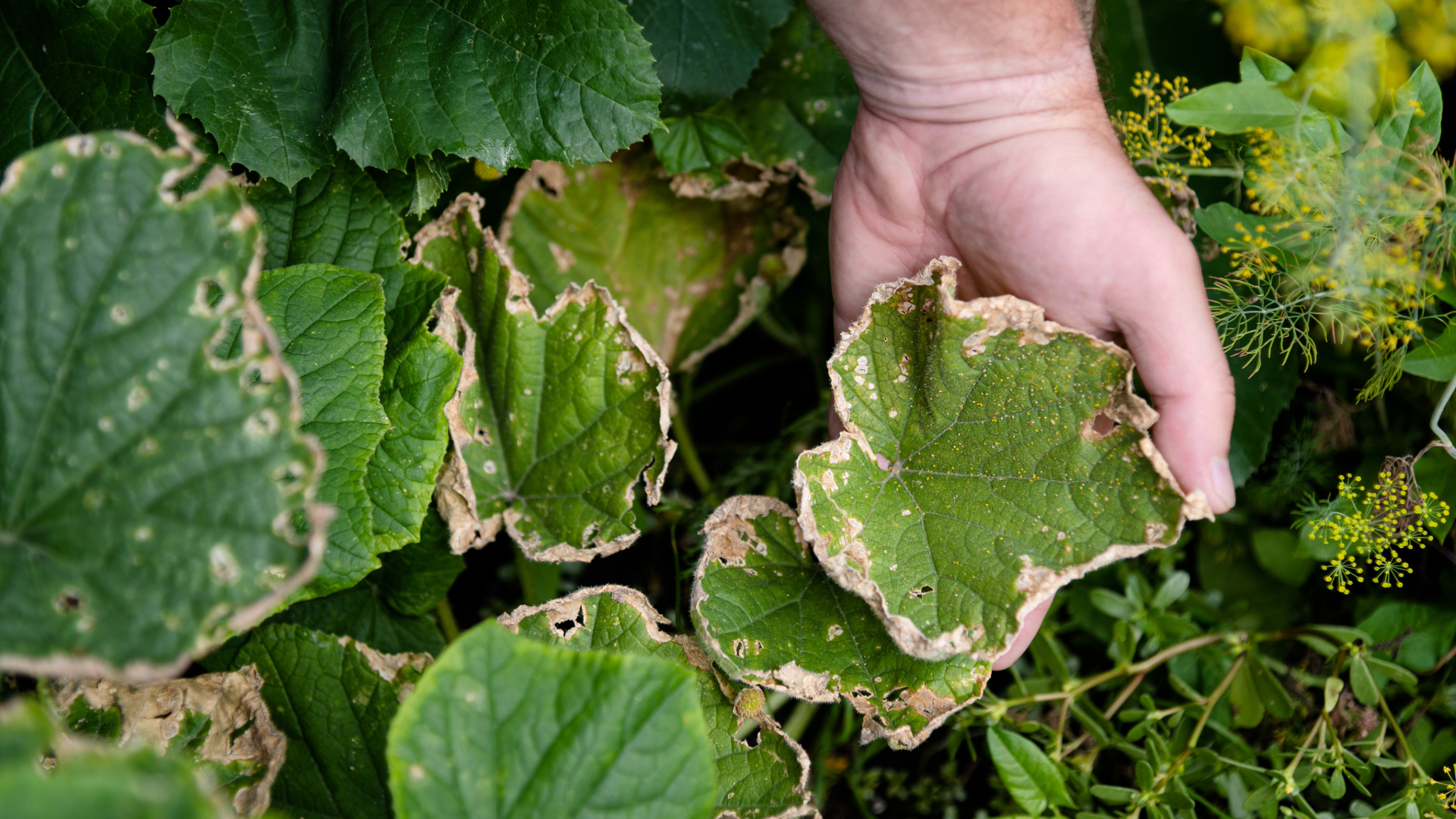
Common Spring Pests (and When to Act)
Spring and early summer are when many crop pest problems quietly get their start. Crops are young, growth is rapid, and warming conditions create an environment where insects can establish themselves quickly. By the time visible damage appears, pest populations are often already well developed and harder to control.
Understanding which pests appear early, what conditions favor them, and when intervention makes the most impact helps growers protect crops before pressure spreads across the field. Early attention to pest pressure often determines whether management remains straightforward or becomes a season-long challenge.
Why Pest Pressure Builds Early
As temperatures rise in spring, many insects emerge from overwintering sites and begin searching for food. Young crops provide ideal feeding conditions because tender new growth is easier to penetrate and rich in nutrients.
Several field conditions tend to attract pests sooner and allow populations to build faster. Fields with leftover crop debris, early weed growth, or uneven plant vigor often become starting points for pest activity. Sheltered areas such as windbreaks, greenhouse edges, or protected rows may also see insects appear earlier than the rest of the field.
Because these early populations often go unnoticed at first, they can expand quickly as temperatures continue to warm.
Common Early-Season Crop Pests to Watch
While the exact pest mix varies by crop and region, several insects consistently appear during spring and early summer:
- Aphids frequently cluster on new growth and the undersides of leaves, feeding on plant sap and sometimes spreading plant diseases.
- Thrips are small but damaging pests that thrive in warm, dry conditions. Their feeding can distort leaves, reduce plant vigor, and affect developing fruit or flowers.
- Whiteflies reproduce rapidly under favorable conditions and weaken plants through sustained feeding pressure.
- Cutworms and caterpillars are known for sudden damage to young plants. Feeding often occurs overnight, making scouting especially important during early growth stages.
- Spider mites become more active as temperatures rise and humidity drops. They often begin in small pockets before spreading throughout the crop.
Identifying these pests early helps growers respond while populations are still manageable.
Scouting Early Keeps Pest Pressure Manageable
Regular scouting is one of the most effective tools in early-season pest management. Waiting until plants look unhealthy usually means pest populations have already expanded. Consistent scouting helps growers understand how pest pressure is developing and where problems are beginning to form.
Effective scouting practices include:
- Checking fields at least once per week during early crop growth
- Looking at the undersides of leaves where many pests feed and reproduce
- Inspecting field edges and stressed areas first
- Watching for patterns such as uneven growth, discoloration, or feeding damage
Keeping simple notes during scouting can also help identify trends and determine how quickly pest populations are changing.
Acting Early Protects Crop Growth
One of the advantages of early scouting is the ability to respond while pest populations are still small and localized. Early intervention helps prevent insects from multiplying and spreading across the field.
Timely pest management can:
- Stop population growth before it accelerates
- Protect vulnerable new growth
- Reduce the risk of pests spreading plant diseases
- Maintain crop vigor during early development
When pest pressure is addressed early, control measures are often more effective and easier to manage than when infestations are already widespread.
Field Conditions Influence Pest Pressure
Plant stress and uneven growth often make crops more vulnerable to pests. Fields with inconsistent irrigation, nutrient imbalance, or heavy weed pressure tend to see stronger pest activity.
Practices that help maintain plant health also support pest management, including weed control, balanced fertility, and consistent irrigation. Healthy plants typically tolerate feeding damage better and recover more quickly when pressure occurs. While these practices don’t eliminate pests, they help slow population growth and improve crop resilience.
Heat Can Change Pest Behavior
As early summer temperatures rise, pest activity often shifts. Some insects reproduce more quickly in warm conditions, while others slow down during extreme heat and return once temperatures moderate. Because of this, pest pressure may appear to decline temporarily before increasing again. Continued monitoring helps growers detect these changes and respond before populations surge.
Closing Thoughts
Spring pest pressure rarely appears all at once. More often, it begins with small populations that build steadily as conditions improve. Growers who scout regularly and respond as pest pressure begins to increase are usually able to protect crops more effectively and maintain strong early growth. Addressing pests early keeps small infestations from turning into season-long problems and helps crops stay on track during their most vulnerable stage of development.