
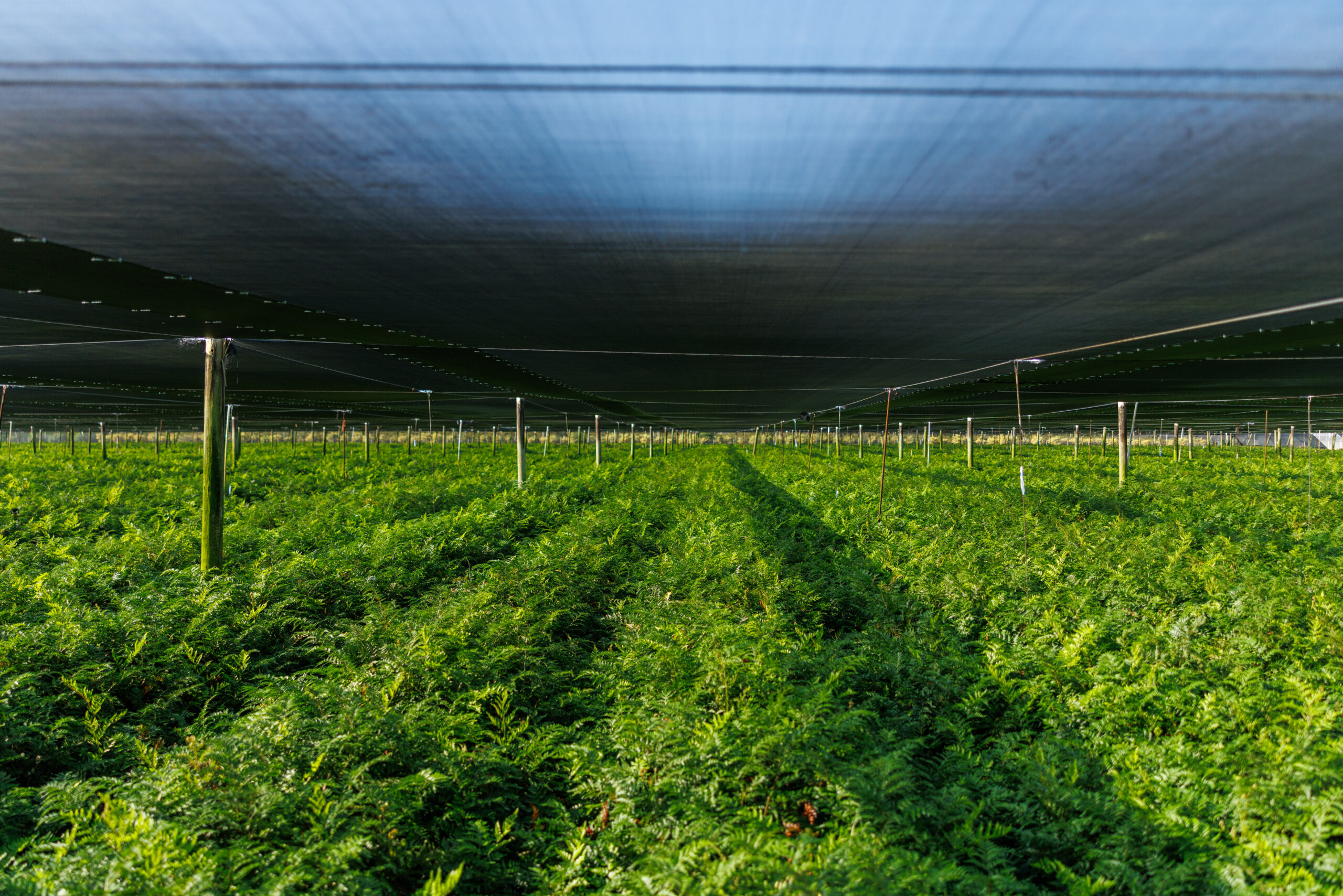
A Grower's Guide to Shade Structures
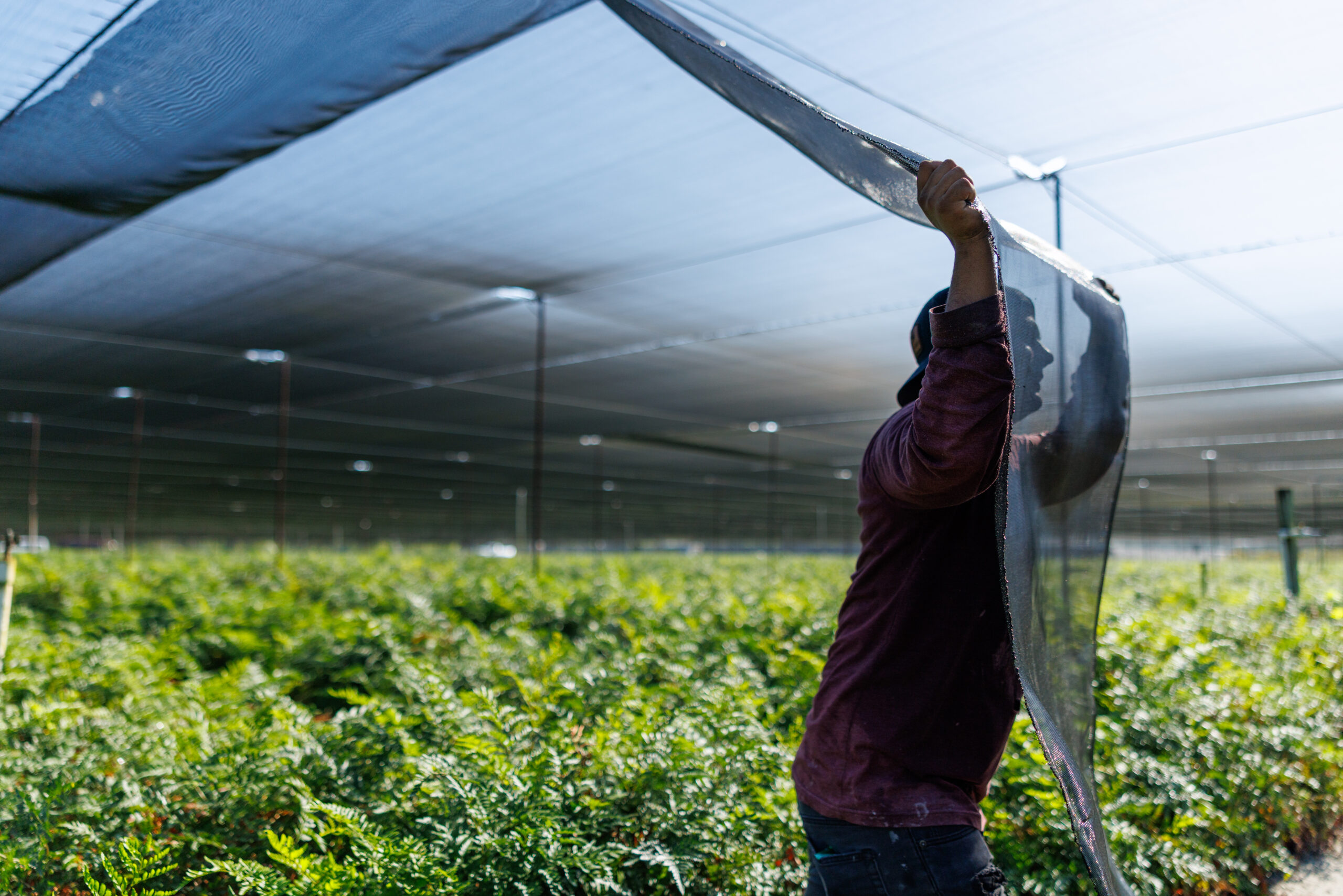
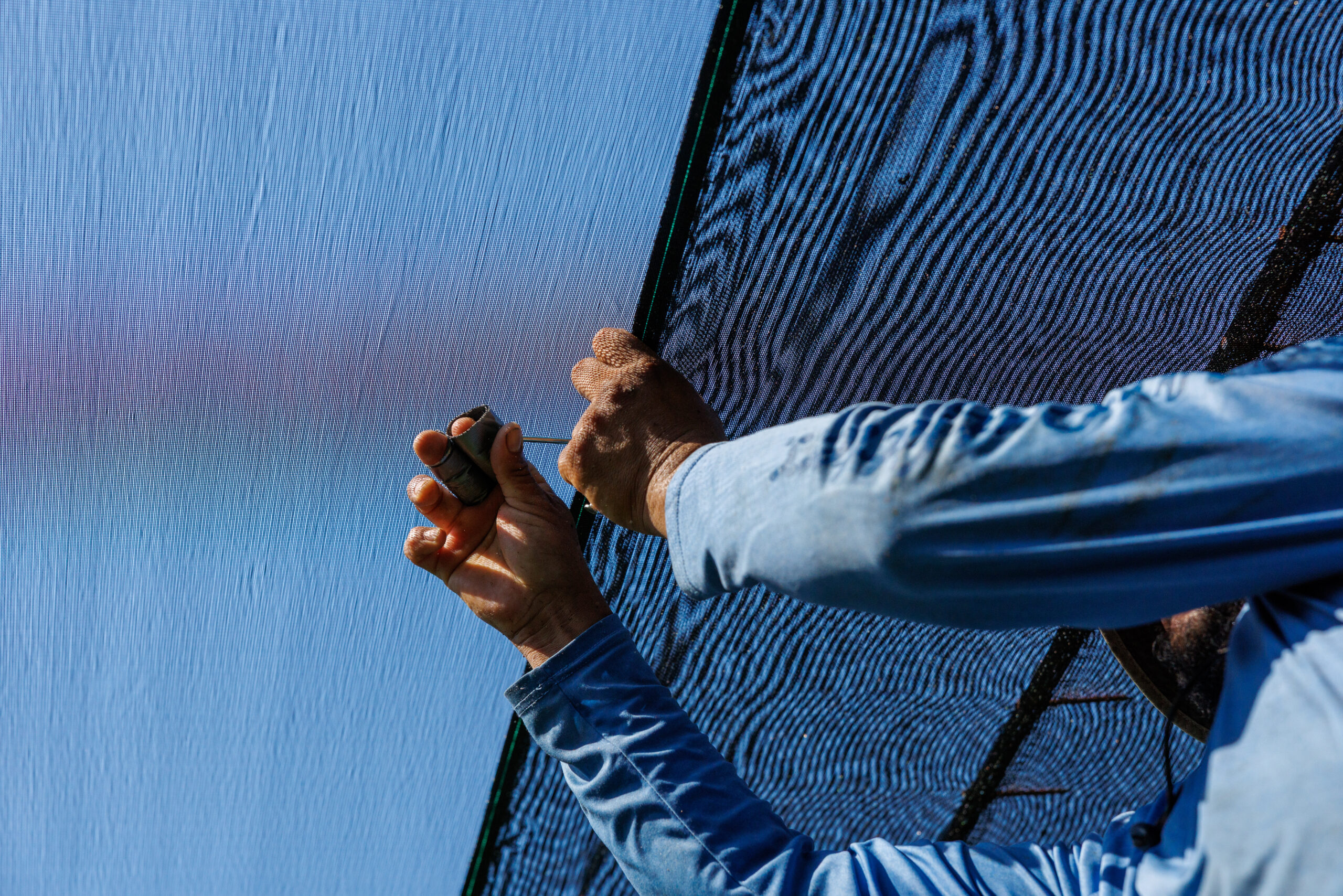
For nursery operators, shade structures aren’t just helpful — they’re essential. Whether you’re raising bedding plants, ornamentals, young trees, or specialty crops, the right shade structure can mean the difference between thriving crops and stressed plants.
A well-designed shade system protects your plants from excessive sunlight, wind, and weather. It creates a more consistent environment, which means better uniformity, healthier growth, and ultimately more profitability. For many growers, the shade house is as critical as irrigation lines or potting soil — a core part of production.
This expanded checklist walks through everything you need to know: from defining your goals to choosing materials, planning your site, and keeping your structure in good shape year after year.
Why Shade Structures Matter for Nurseries
Shade structures aren’t just a roof with fabric stretched over it — they’re highly functional growing environments. Here’s why they matter so much:
- Temperature Control: By filtering sunlight, shade cloth helps reduce canopy temperature. This is crucial because overheated leaves can stop photosynthesizing efficiently, slowing growth and stressing plants.
- Light Management: Every plant has its preferred light intensity. A shade house gives you control to provide consistent levels, regardless of seasonal extremes.
- Crop Uniformity: A consistent growing environment means uniform size, color, and overall quality. Customers expect uniformity, and shade structures help deliver it.
- Water Use Efficiency: Lower heat stress means plants use water more efficiently, which is critical in regions where water is expensive or limited.
In short: a good shade structure doesn’t just shield plants — it actively contributes to healthier growth and improved bottom lines.
Step 1: Define Your Growing Goals
Not all nurseries are alike. Before buying materials, think about what you need your structure to accomplish:
- Crop Type: Bedding plants, shrubs, ferns, young trees, or specialty ornamentals all have unique requirements. For example, bedding plants may thrive under 40% shade, while ferns need much heavier cover.
- Type of Grower: Wholesale operations often prioritize durability and large spans, while retail garden centers may want aesthetics and customer-friendly layouts. Specialty growers may need flexible systems that can handle frequent changes.
- Regional Climate: Hot and arid climates may require higher shade percentages for the same crop than more temperate regions. High wind zones may dictate extra bracing or stronger anchors.
Step 2: Choose the Right Shade Cloth
Shade cloth is the heart of your system, and choosing the right type can dramatically influence crop performance.
Shade Percentage
- 30%-50% Shade: Best for plants that tolerate heat or need protection from intense sun.
- 50%-75% Shade: Ideal for most common vegetables and herbs that prefer slightly less direct sun.
- 75%-90% Shade: Used for plants that are very sensitive to light and heat.
Fabric Options
- Knitted Shade Cloth: Flexible, resists unraveling. Common for nursery applications.
- Woven Shade Cloth: Strong and durable but heavier; less commonly used in nurseries today.
Color Choices
- Black Cloth: Absorbs heat and creates a cooler environment underneath.
- White Cloth: Reflects light for brighter conditions; often used where even light distribution is important.
Step 3: Site Planning
Your site layout impacts both crop health and efficiency. Before installation, evaluate:
- Orientation: Align your structure to take advantage of prevailing winds for natural cooling while balancing light exposure.
- Drainage: Avoid low-lying or poorly draining spots. Standing water undermines posts and damages roots. Consider adding gravel pads or drainage ditches if necessary.
- Soil Conditions: Sandy soils may need deeper or helical anchors. Clay soils may hold anchors differently.
- Access for Equipment: Leave room for carts, irrigation lines, and worker pathways. Efficiency is often won or lost at the layout stage.
- Room to Expand: Even if you start with a small block, planning for future expansion can save time and money later.
Step 4: Installation Best Practices
Proper installation ensures longevity. Here are key considerations:
- Cloth Tension: Shade cloth should be stretched tightly to prevent sagging and wear. Use perimeter cables and ratchets for even tension.
- Hardware Quality: Always use galvanized or agricultural-grade clips, screws, and bolts. Inferior hardware will corrode and fail prematurely.
- Cross-Bracing: Large spans or windy regions require cable bracing to prevent twisting or collapse.
- Modular Design: Build structures in sections so you can expand, reconfigure, or replace parts without dismantling everything.
- Anchoring: Use ground anchors suited to your soil type. Anchors are quicker and more flexible than concrete.
Step 5: Maintenance & Longevity
Your shade structure is an investment. Protect it with regular care:
- Post & Anchor Checks: Inspect posts for rot and anchors for movement. Tighten anchor cables and bolts as needed.
- Cloth Inspection: Repair small tears with patching kits before they spread. Replace sections when UV degradation is evident.
- Hardware Tightening: Bolts, clips, and cables can loosen with wind and seasonal shifts. Inspect at least once per year.
- Seasonal Prep: Before peak summer heat or storm seasons, inspect and reinforce. In some regions, rolling up or removing cloth in winter reduces wear.
Closing Thoughts
Every nursery operation is unique, but one thing is universal: a strong, well-planned system improves plant quality, reduces losses, and simplifies operations.
By defining your goals, selecting the right nursery shade cloth, planning your site, and using durable treated wood posts with ground anchors, you’ll create a structure that lasts. Add regular inspections and maintenance, and your investment will pay dividends in healthier crops and stronger margins.
At Pierson Supply, we understand growers because we’ve been in the dirt ourselves. Our goal is to provide not just materials but solutions that help your plants, and your business, thrive.
CONTACT US for a quote or to be connected to one of the expert builders in our network.