
Valentine’s Day 2026: Floriculture's ‘Super Bowl’
Valentine’s Day is often described within the floral world as the “Super Bowl” of the season; the single day that accounts for the largest winter surge in demand and sets the tone for the months that follow.
For growers across the floriculture industry (from cut flowers to floral greens and flowering plants) Valentine’s remains one of the most consequential moments of the year.
A holiday that consistently drives demand
Valentine’s Day continues to rank among the top floral purchasing occasions in the U.S., with recent industry data showing that roughly one-quarter to one-third of consumers buy flowers or plants for the holiday in a typical year (35% in 2025). Consumer spending on flowers alone routinely reaches into the billions of dollars, making Valentine’s one of the most concentrated demand windows the industry sees annually.
Roses remain the centerpiece of the holiday, with estimates indicating that hundreds of millions of rose stems are produced and moved globally to support Valentine’s demand each year. That concentration reinforces the importance of timing, quality, and logistics precision, especially for growers operating on long production cycles.
Cut flowers anchor the holiday, but they don’t stand alone
While roses and other cut flowers continue to anchor Valentine’s sales, the structure of the modern Valentine’s arrangement increasingly relies on supporting materials.
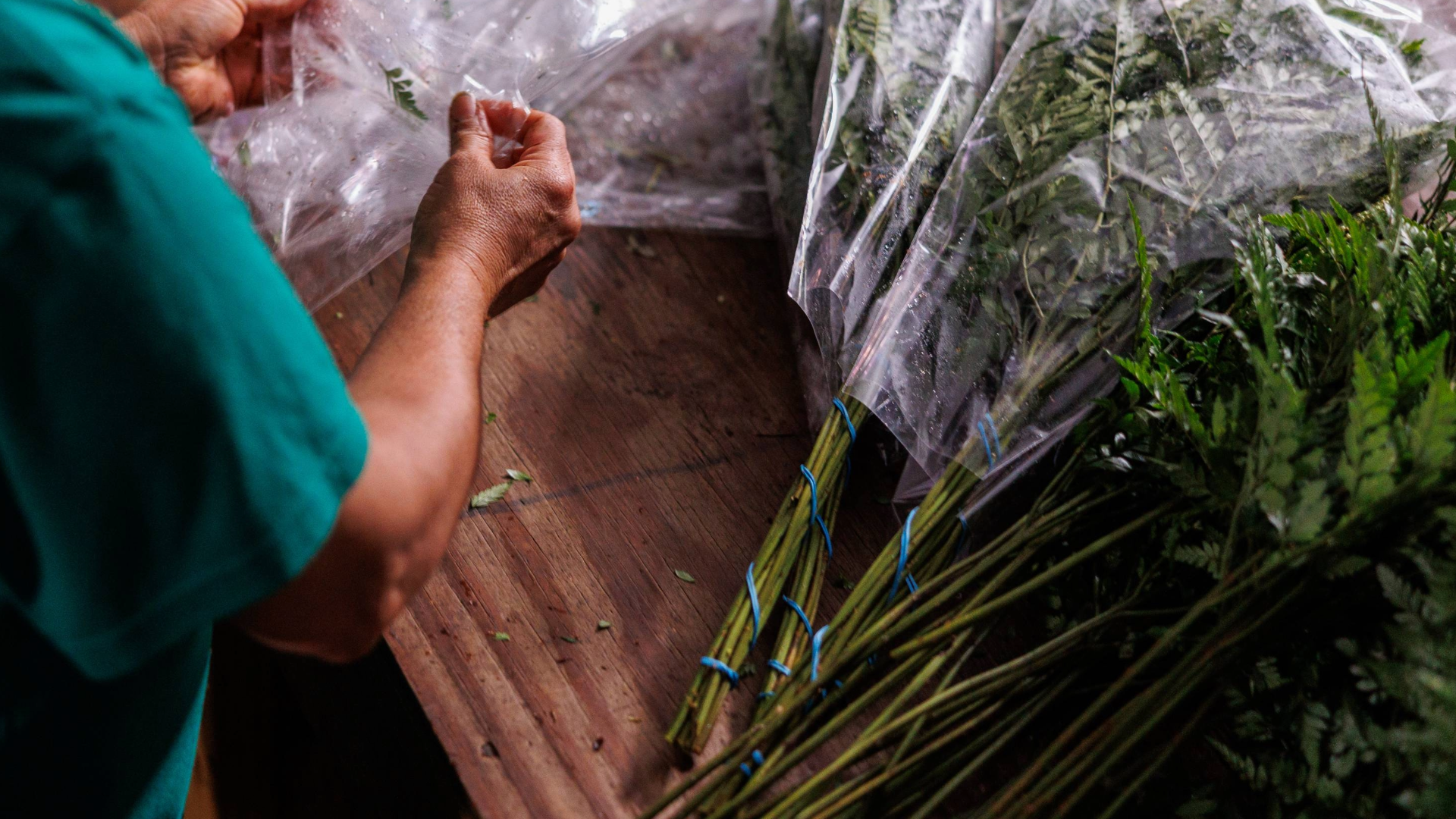
Floral greens (such as leatherleaf, salal, ruscus, and eucalyptus) play a foundational role in mixed bouquets and premium designs. Larger arrangements and higher stem counts seen in recent seasons mean that reliable greens availability and consistent quality can directly influence how smoothly wholesalers and retailers fulfill orders during peak weeks.
Greens may not drive consumer purchasing decisions on their own, but they are often what enables florists to scale production and maintain design consistency under pressure.
Operational execution often matters more than volume
Across recent Valentine’s cycles, results have been shaped as much by labor availability, harvest timing, and post-harvest handling as by crop volume. Tight demand windows leave little room for inefficiency, making workflow planning, equipment readiness, and sanitation protocols critical variables.
As product moves quickly through the supply chain, often across long distances, buyers continue to place increased emphasis on hydration, vase life, and damage reduction, reinforcing the importance of post-harvest discipline.
Calendar placement matters for 2026
In 2026, Valentine’s Day falls on a Saturday, which historically can extend the buying window but also shifts pressure earlier into the week. That dynamic often leads to earlier staging, earlier shipping, and less tolerance for last-minute disruption (especially for perishable product).
For growers, this makes early coordination with buyers and logistics partners even more valuable.
Closing Thoughts
Valentine’s Day remains a defining moment for the floriculture industry. Not just because of its size, but because of how clearly it rewards preparation, consistency, and execution. Growers who plan early, understand the rhythm of demand, and focus on operational readiness are best positioned to navigate the season with confidence.
The holiday may come once a year, but the lessons it reinforces carry forward well beyond February.